The Earth’s Atmosphere is full of different gases. It’s one of the things that makes life possible on our planet.
What is the atmosphere made of?
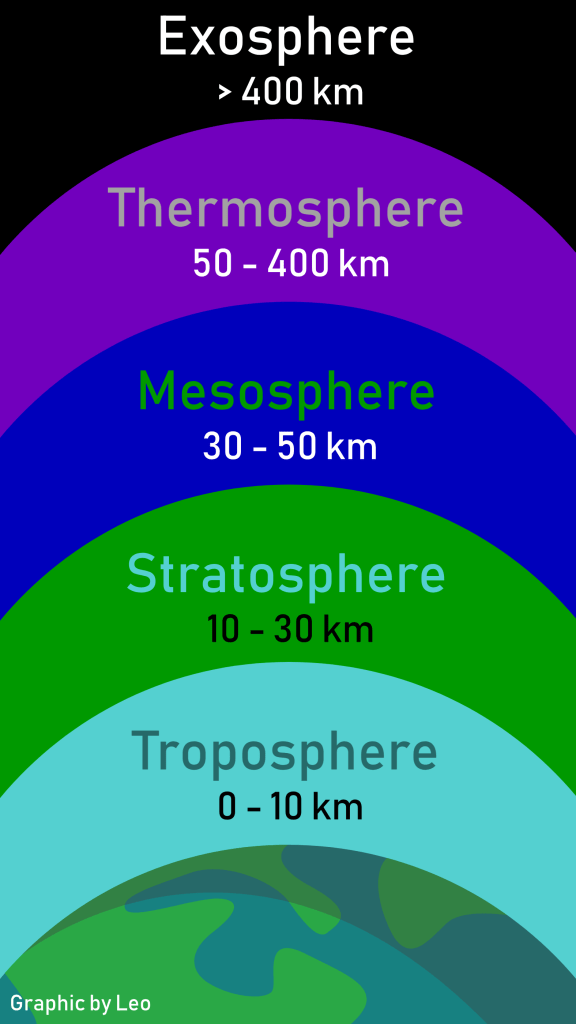
The Earth’s atmosphere is split into 5 different layers; the troposphere, stratosphere, mesosphere, thermosphere and exosphere. They are divided based on their temperature.
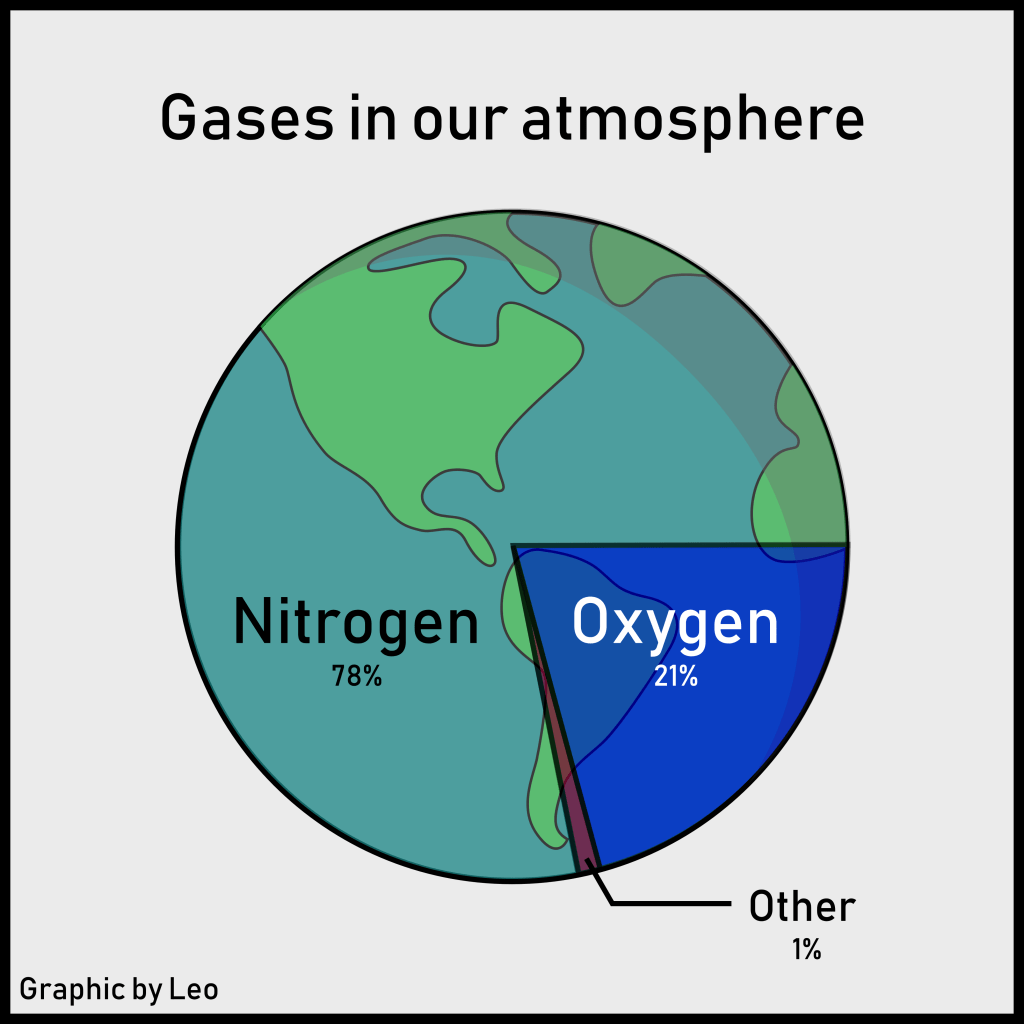
The atmosphere contains many different gases, including Nitrogen (78%), Oxygen (21%), Argon (0.93%) and traces of neon, helium, methane, krypton and hydrogen, as well as water vapor.
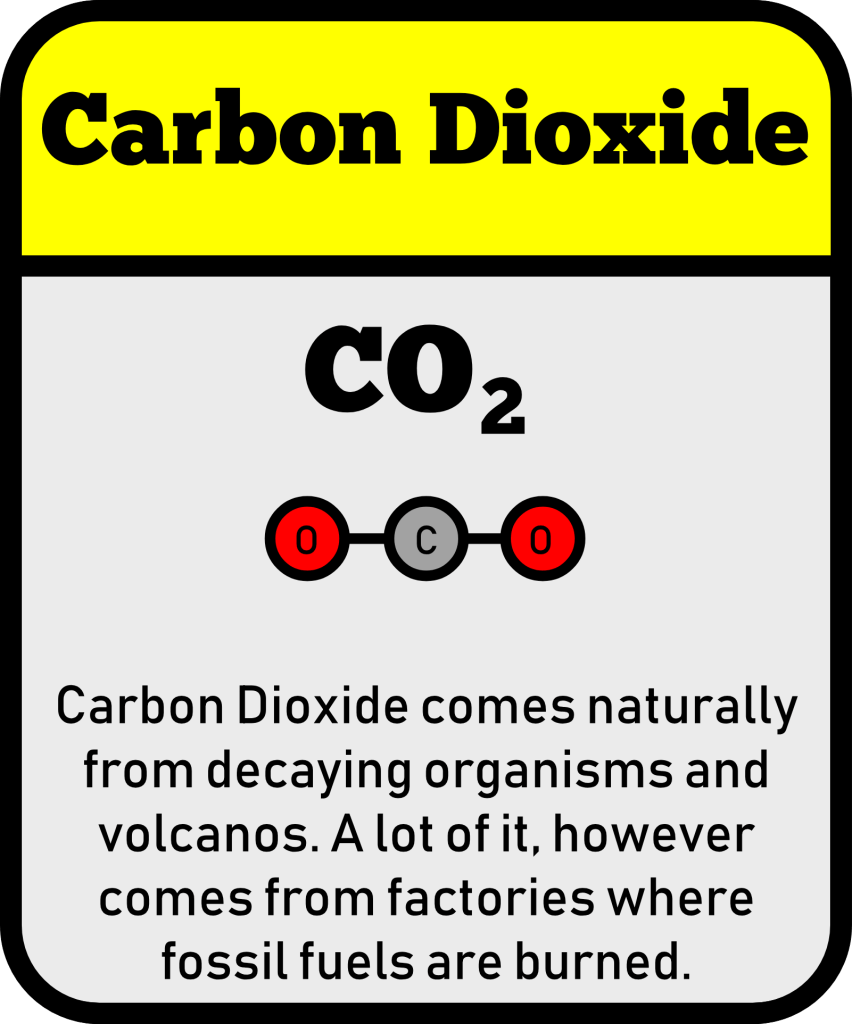
Carbon Dioxide makes up only 0.04% of our atmosphere, but this is still a shockingly high figure. A small amount of gas can have a massive impact, and if the amount of CO2 keeps going up at its expected rate, 0.1% of our atmosphere could be Carbon Dioxide by 2100.
What are greenhouse gases?
We’ve all heard of greenhouse gases from the news, but what actually are they and what’s their effect on us? Greenhouse gases are gases that trap heat. They let sunlight pass through the atmosphere, but prevent the heat from escaping. The more greenhouse gases that are in the atmosphere, the higher the temperature rises. They’re generally not bad, as without them our planet would be way too cold. However, too many of them can be damaging and can cause global warming.
How do they work?
Surely if they let light through one way, they must let heat back out, right? When light comes from the sun and enters our atmosphere, it is transmitted in light waves. Greenhouse gases are almost transparent to light, and let it pass through easily. When these waves hit Earth, they warm up the surface of it and are radiated back to space, but this time as heat waves instead of light. This heat is reflected by the gases, as heat cannot pass through it, while light can.
Which gases are greenhouse gases?
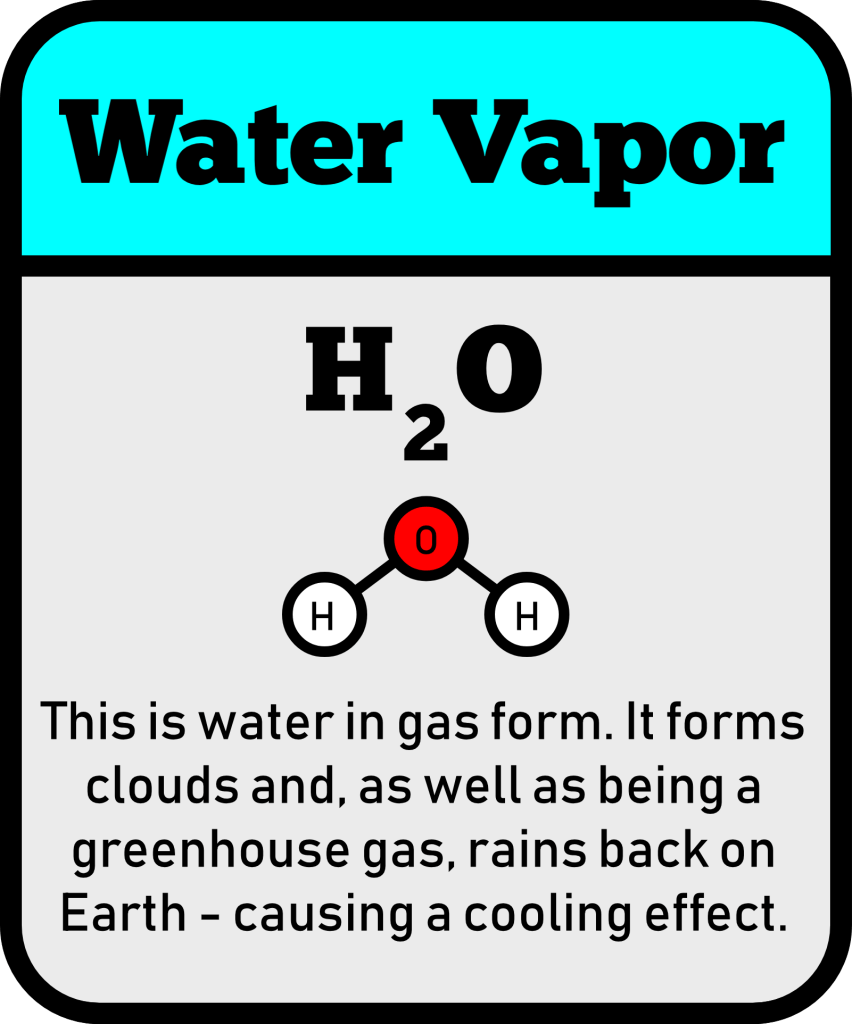
If you were to ask almost anyone to name a greenhouse gas, they’d probably say Carbon Dioxide. However, there are lots of types of greenhouse gas. Here are the main ones.
All drawings by me
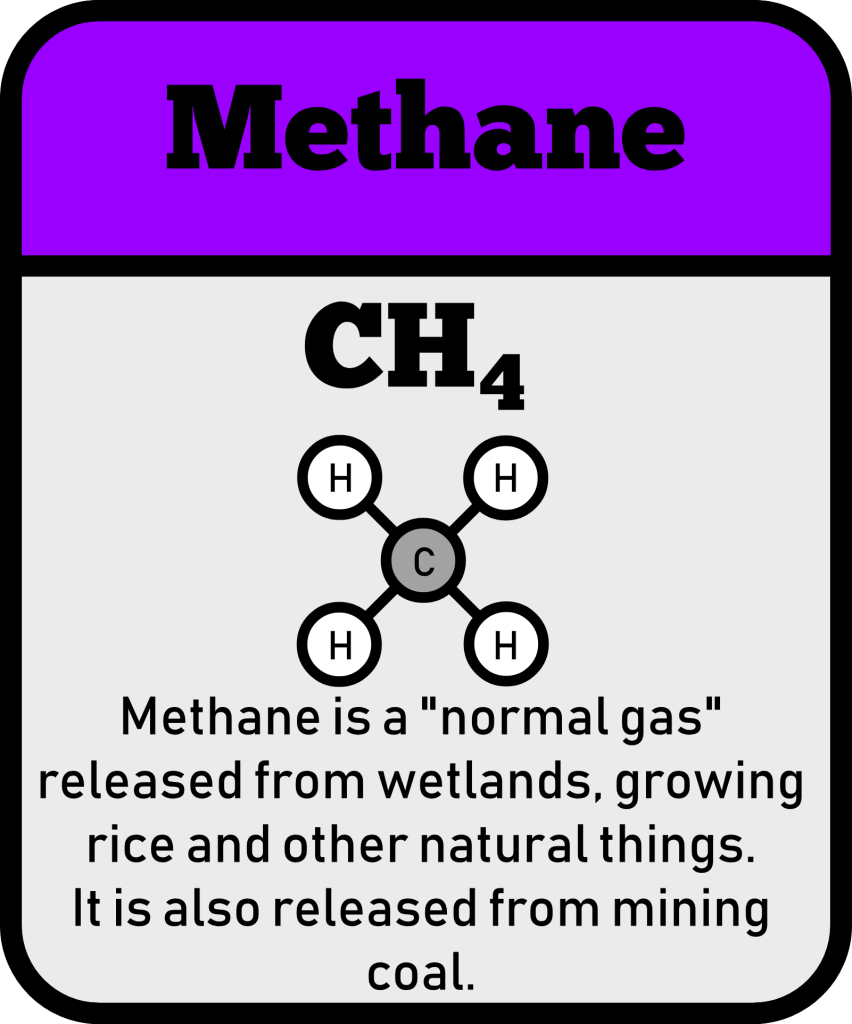
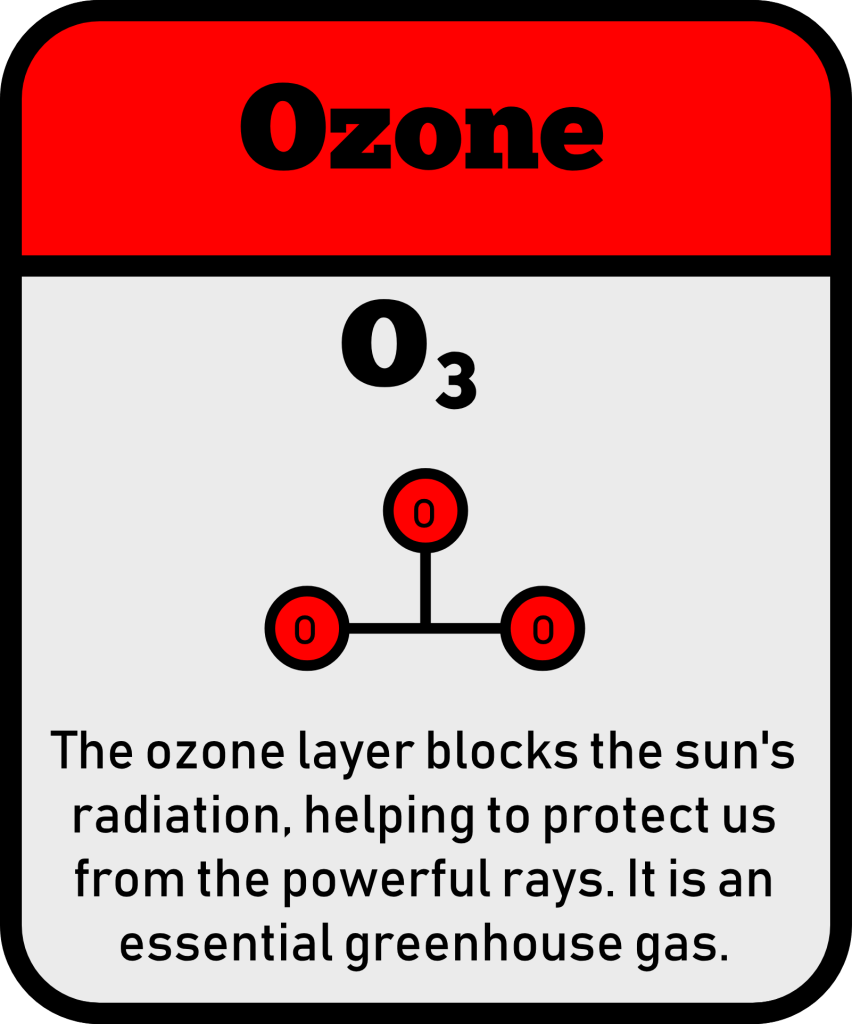
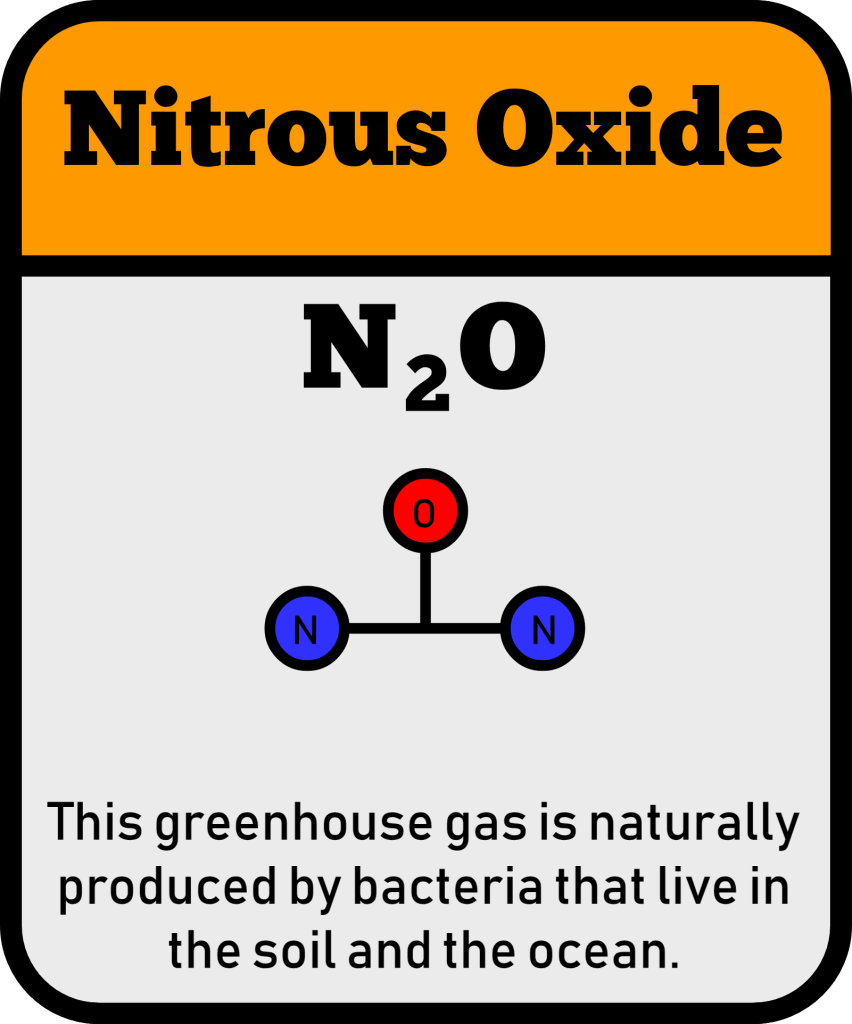
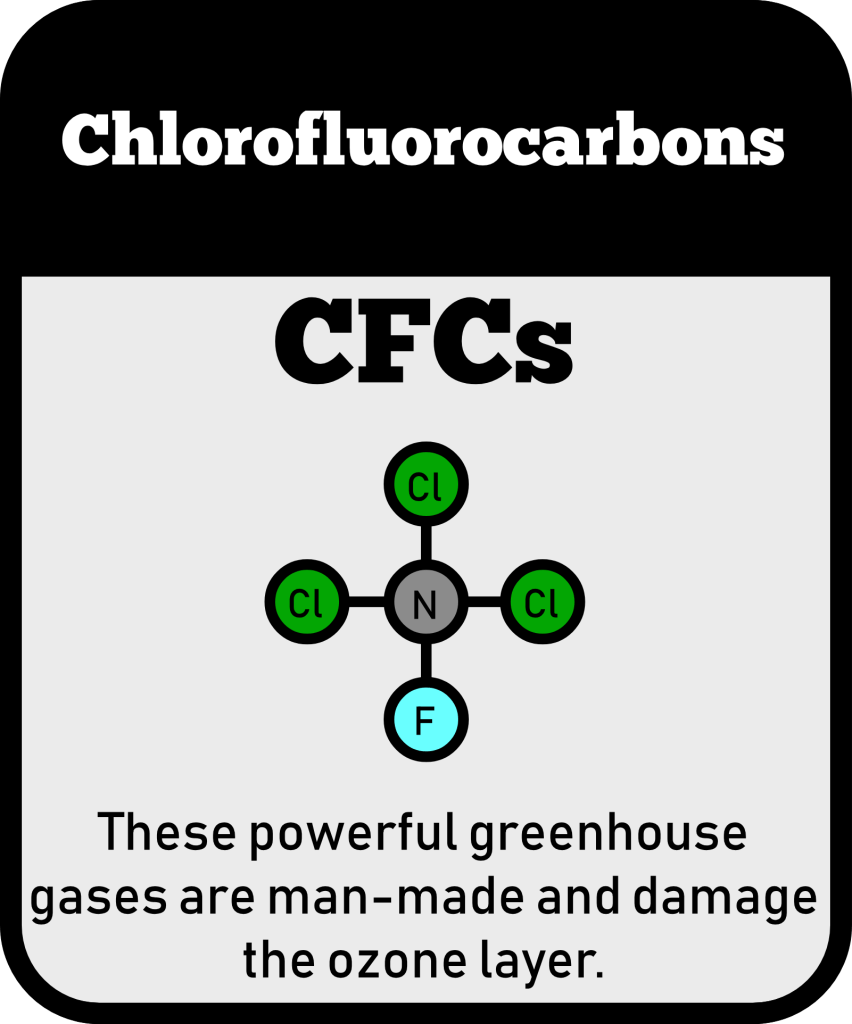
What are fossil fuels?
Fossil fuels are fuels that are formed from the remains of organisms that lived billions of years ago. They have a high carbon content. Coal, crude oil and natural gases are all considered fossil fuels because of their origins.
Where are they used?
Fossil fuels are burned in factories all over the world. They’re cheap, available, renewable and convenient. They’re also used in cars, heating, electricity generation and jet fuel.
What are the impacts?
Fossil fuels contain a high carbon content, and by butning them this is released into the air. When the carbon atoms mix with the oxygen atoms in the air, carbon dioxide is created. This is released into the atmosphere in massive quantities and is why the carbon dioxide content of the atmosphere is drastically increasing.
 Leo T
Leo T 
3 replies on “Understanding Our Atmosphere”
Totally awesome Leo! Silver card!
Amazing work Leo!
[…] Global warming is the rise in temperature around the world. Since the 1950s, scientists have measured the steadily increasing temperature of the world’s climate. They have found that temperature changes, when averaged out over decades, have increased dramatically. Both the air and the ocean temperatures have been affected, as well as the amounts of snow and ice simultaneously decreasing. Sea levels have risen, and the amount of greenhouse gases in the atmosphere have also increased (see my article on this here). […]