Algeria is one of the only countries in north Africa with its own style of Folk Music. As a country, it has been exposed to West Africa, Sub-Sahara, the Ottoman Empire and also Europe. This has created a wide, diverse range of music. Some of the most well-known types of Algerian music include:
Malouf (Andalusian Classical Music)
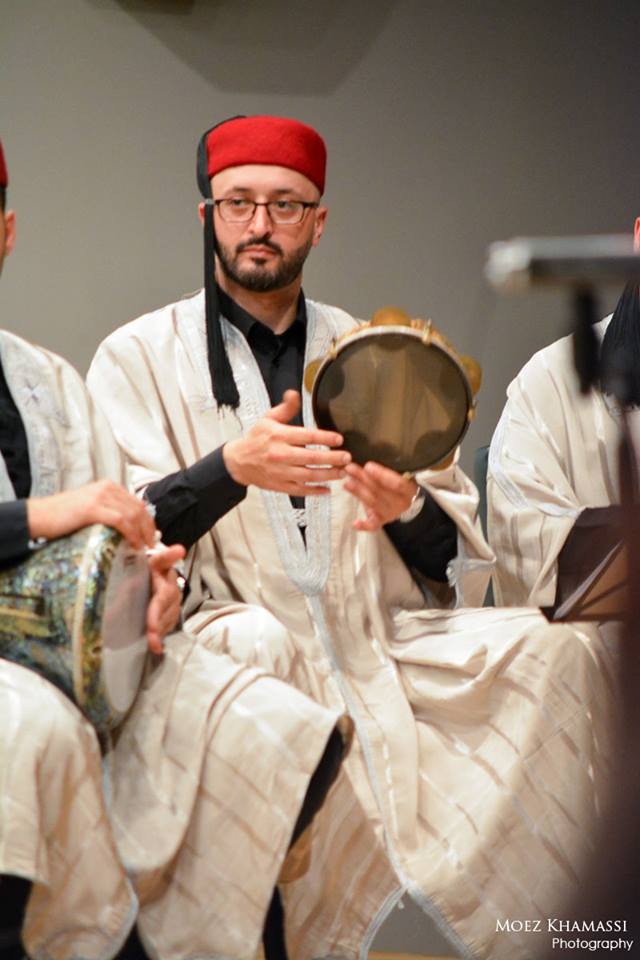
This music originated from the Emirate of Cordoba (in the south of Spain) in the 9th century. It was formed by Arab, Kurdish and Persian musicians who had been influenced by music in Europe. Since then, it has changed quite a lot, and Malouf has become extremely popular in a lot of countries in northen Africa.
It is often played in small orchestras consisting of violins, drums, sitars and flutes.
Fun Fact
In Tunisia, Malouf music is more commonly known as Ma’luf
Raï Music
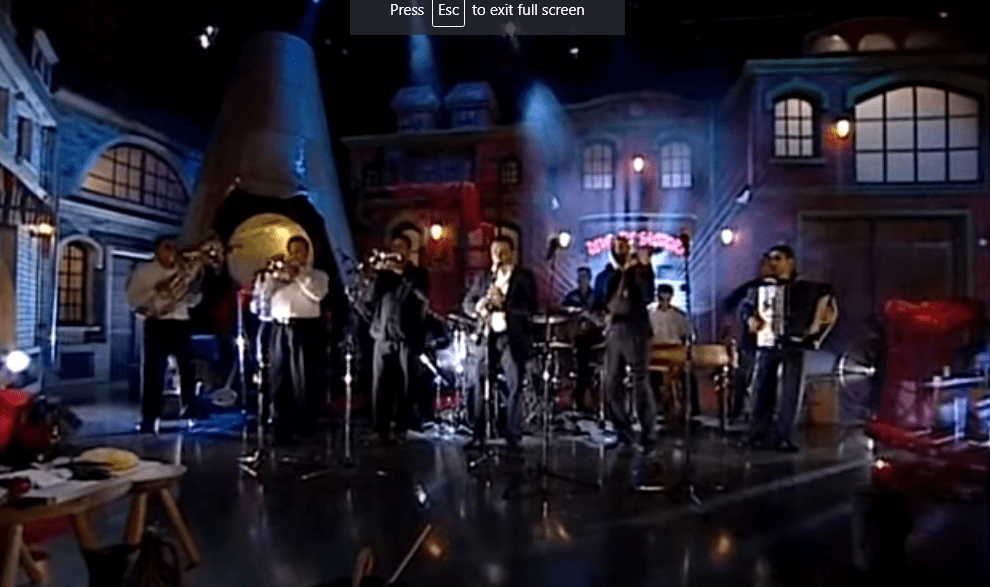
Raï is an extremely different, much more modern type of Algerian Folk Music, dating back to the 1930s. It originates from the north-west coast of Algeria, and was the “music of the shepherds” – Raï means shepherd. It has evolved a lot, and is the “pop music” of Algeria.
It has many different instuments, and is quite “chilled” and upbeat. Influenced by hip-hop and many other types of western music, Raï is extremely popular in Algeria as it has a fun and modern feel to it.
Fun Fact
Raï music is often used in Algerian discos
Gnawa Music

Gnawa music is mostly popular in the southwest of Algeria. It derives from ancient African religious songs. It is mainly performed at “Lila”, which are nights of celebration dedicated to prayer. These nights are guided by the “Gnawa Maalem” (or “Master Musician”), who leads a group of musicians and dancers.
Although Lila stills exists today, Gnawa music has evolved into a much more modern form of music. It has its own world festival, and has mixed with jazz, blues and hip-hop.
Tuareg Music
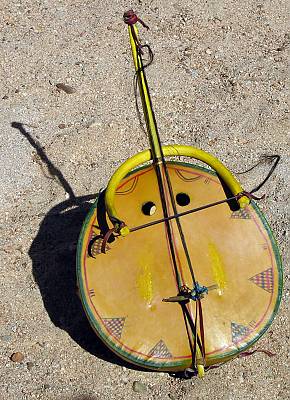
The Tuareg are a group from Algeria, Mali, Niger, Libya, Burkina Faso and small parts in Nigeria. A bit part of their culture is their folk music, which is often played on a violin-like instrument called an “Imzad”. It is often played in camel races and other social events.
 Leo T
Leo T 